
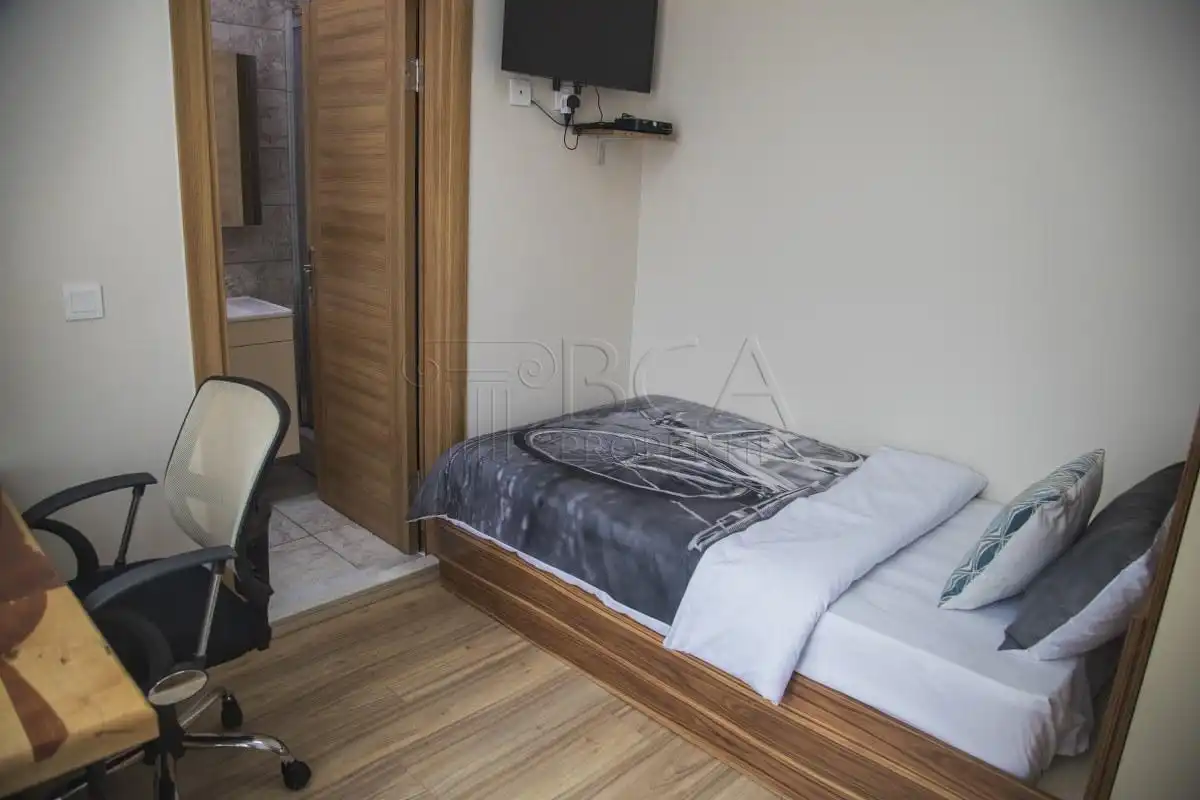
The Profitable Market of Student Housing in Zambia: Exploring Investment Potential
Student housing remains one of Zambia’s overlooked property investment opportunities. Whilst commercial and residential developments receive most attention, purpose-built student accommodation and boarding houses offer consistent rental demand and strong yields for investors who understand the market.
This article explores the fundamentals of student housing investment in Zambia, the demographic trends driving demand, and what you need to consider before entering this specialised niche.
Why Student Housing Demand Continues to Grow
Zambia has a notably young population. According to ZamStats, over 45% of the population is below 15 years of age, creating a pipeline of future tertiary students. Additionally, approximately 20% of Zambians fall within the 15 to 25 age bracket—the prime demographic for higher education.
The expansion of private tertiary institutions has accelerated student enrolments significantly. Many of these institutions don’t provide on-campus accommodation, relying instead on external boarding houses and private rentals near their campuses.
Lusaka alone now hosts more than 26 tertiary institutions, ranging from universities to technical colleges and training centres. This concentration creates sustained demand for affordable, secure accommodation within commuting distance of campuses.
The result is a market where supply struggles to keep pace with demand, particularly for well-managed, secure properties that offer reasonable rates.
Key Considerations Before Investing
Student housing isn’t simply about buying property near a university. Success requires understanding what students (and their parents) actually need, and what differentiates a profitable facility from one that struggles with vacancies.
Location and Accessibility
Proximity to tertiary institutions is obviously important, but accessibility matters just as much. Properties near main public transport routes—bus stops, taxi ranks, and major roads—are more attractive to students who commute to campus daily.
Consider the neighbourhood itself. Is it safe? Are there nearby shops, markets, or other amenities students need? Properties in isolated areas, even if close to campus, may struggle to attract tenants.
Property Layout and Capacity
Before investing in purpose-built student housing, evaluate whether existing properties can be adapted instead. Older homes near campuses can often be renovated to accommodate multiple students at a fraction of the cost of new construction.
When assessing a property, consider:
- Number of bedrooms that can be converted into student rooms
- Bathroom facilities (students typically expect shared bathrooms, but ratio matters)
- Common areas for cooking, studying, or socialising
- Storage space for personal belongings
- Outdoor space for washing and drying clothes
Maximising usable space whilst maintaining liveable conditions directly impacts your rental income potential.
Security and Safety
Security is a top priority for both students and their families. Properties with perimeter walls, secure gates, and adequate lighting are far more attractive than those without basic security measures.
Beyond physical security, consider fire safety, electrical wiring standards, and general building condition. Students may tolerate basic accommodation, but they won’t tolerate unsafe conditions.
Regulatory Compliance
Student boarding houses must comply with regulations from several authorities:
- Local town councils (building standards, occupancy limits)
- Ministry of Health (sanitation, water supply, waste management)
- Fire safety regulations
Operating without proper compliance exposes you to fines, closure orders, and reputational damage. Ensure all licences and approvals are in place before accepting tenants.
Management and Maintenance
Student housing requires active management. High tenant turnover, shared facilities, and the age demographic mean properties need regular maintenance and oversight.
Decide early whether you’ll manage the property yourself or hire a property manager. Professional management costs money but can prevent problems and maintain occupancy rates.
Financial Considerations
Student housing typically operates on lower individual rental rates but higher overall occupancy. A three-bedroom house might normally rent for ZMW 4,000 per month to a family, but converting it into student accommodation with six beds could potentially generate ZMW 6,000-8,000 per month depending on location and facilities.
However, factor in:
- Higher maintenance costs due to more intensive use
- Vacancy periods between academic terms
- Utility costs (often included in student rents)
- Management expenses
Cash flow modelling should account for these realities rather than assuming full occupancy year-round.
The Long-Term Outlook
As long as Zambia’s tertiary education sector continues expanding—and demographic trends suggest it will—demand for student housing will remain strong. Both local students and increasing numbers of international students from neighbouring countries need accommodation.
For investors willing to meet this demand with well-located, properly managed, and compliant facilities, student housing offers a viable addition to a property portfolio.
Getting Started
If student housing investment interests you, start by:
- Researching areas near multiple tertiary institutions
- Understanding local rental rates for student accommodation
- Visiting existing boarding houses to see what works
- Consulting with property professionals who know the student housing market
- Ensuring you understand all regulatory requirements before committing
Student housing isn’t a passive investment, but for those prepared to manage it properly, the returns can justify the effort.
If you’re considering student housing as an investment or need guidance on evaluating properties for this purpose, we can help with your planning. Contact us for more information.
Source: Zambia Statistics Agency (ZamStats) – https://www.zamstats.gov.zm





Join The Discussion